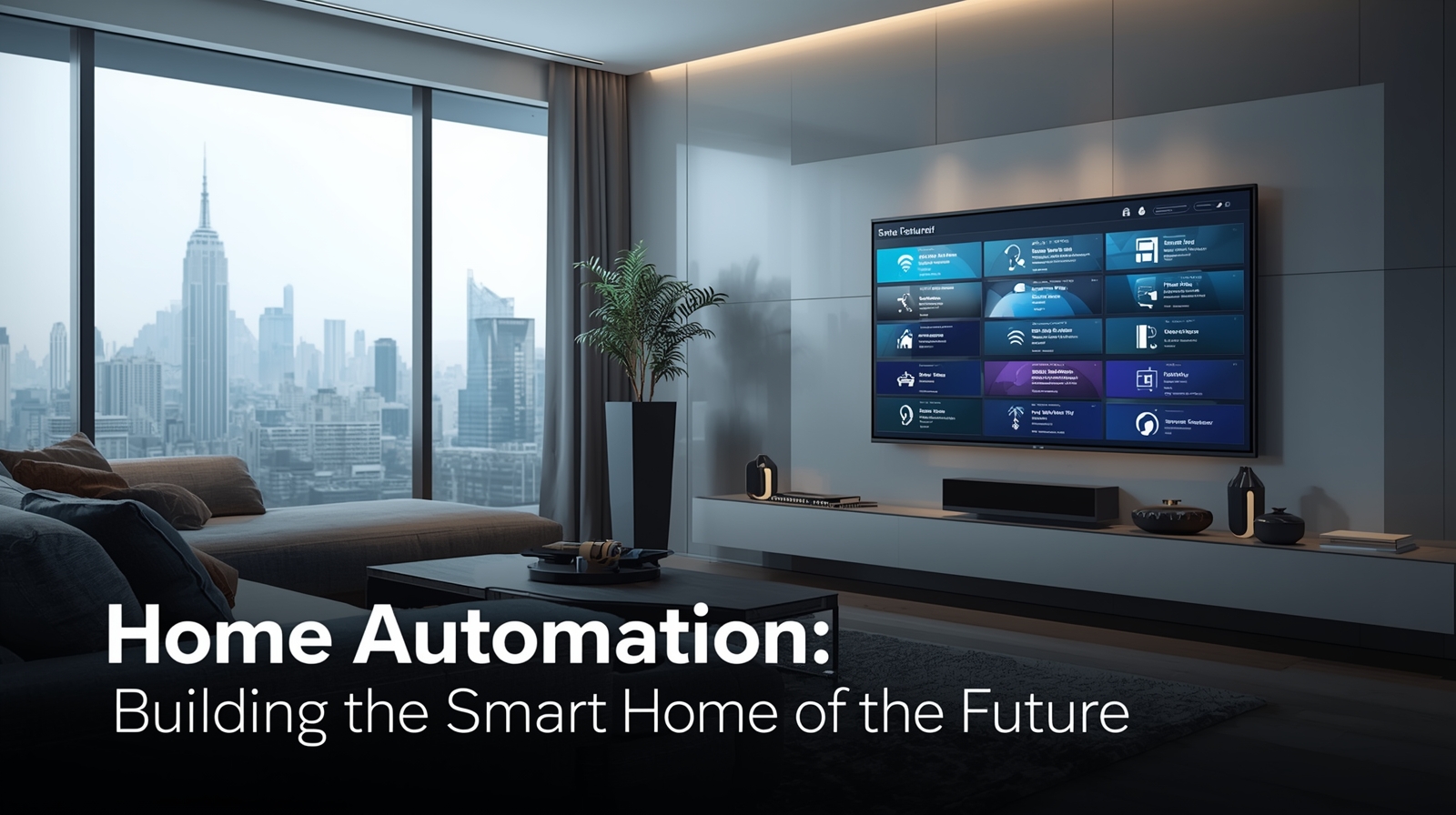
Home automation represents a fundamental shift in how people manage daily living. It integrates technology, connectivity, and data systems to perform household functions with minimal human input. From lighting to climate control and security, automation connects multiple systems into one network.
The development of automated homes reflects the broader movement toward digital transformation. This article examines the evolution, components, functions, and challenges of home automation. It also explores how individuals and industries are shaping the future of living spaces through integrated technologies.
1. Understanding Home Automation
Home automation is the application of control systems and technology to manage home appliances and functions. It allows users to monitor and adjust systems such as lighting, heating, ventilation, entertainment, and security through a centralized interface.
Automation operates through a combination of sensors, controllers, and actuators. These components interact using a communication network, enabling remote or scheduled operation. The goal is to create efficiency, convenience, and security within a residential setting.
2. The Evolution of Automated Living
The concept of automation in homes began with mechanical timers and early electrical appliances. The development of digital electronics, wireless networks, and the internet expanded possibilities.
- The 1970s introduced the first programmable thermostats.
- The 1980s saw the emergence of wired control systems.
- The 1990s marked the entry of personal computing and early smart home protocols.
- The 2000s and beyond brought wireless technology, cloud connectivity, and voice control.
Each stage increased integration and accessibility. Modern automation now connects homes through mobile networks, allowing users to control systems from anywhere.
3. Core Components of a Smart Home
Home automation systems consist of several essential elements:
- Controllers – devices such as smartphones, tablets, or dedicated panels that issue commands.
- Sensors – detect motion, light, temperature, or occupancy to trigger actions.
- Actuators – execute commands by switching devices on or off or adjusting settings.
- Communication Protocols – standards such as Zigbee, Z-Wave, Wi-Fi, or Bluetooth that link devices.
- Cloud Platforms – store data, manage automation logic, and enable remote access.
Together, these elements create an integrated environment capable of executing automated routines.
4. The Internet of Things (IoT) in Home Automation
Home automation depends heavily on the Internet of Things (IoT). IoT connects physical devices to digital systems through networked sensors and software.
Each IoT device collects data and communicates with other devices, creating a dynamic ecosystem. For instance, a thermostat can receive data from motion sensors to determine whether a room is occupied and adjust temperature accordingly.
IoT transforms homes into responsive environments that adapt to human behavior patterns and preferences.
5. Energy Management Systems
Energy management is one of the most prominent applications of home automation. Automated systems regulate heating, cooling, and lighting based on time, occupancy, and external conditions.
Energy monitoring tools analyze usage patterns and optimize resource allocation. By automating energy consumption, homeowners can reduce waste and maintain consistent comfort.
Utility companies also use home automation data to balance grid demand and improve distribution efficiency.
6. Security and Surveillance Integration
Security remains a leading motivation for adopting home automation. Integrated systems include door locks, surveillance cameras, motion detectors, and alarm systems.
Automation enables real-time monitoring and alerts. Homeowners can control entry points, review video feeds, and respond to security events remotely.
Advanced systems use facial recognition, access codes, and sensor-based alerts. These tools strengthen household safety and situational awareness.
7. Lighting and Environmental Control
Lighting automation allows users to schedule illumination or adjust brightness based on occupancy or daylight. Motion and light sensors manage energy use and create responsive environments.
Environmental control systems coordinate lighting, temperature, and air quality for consistent indoor conditions. Users can set routines that adjust systems automatically according to time or usage.
Centralized management improves both comfort and operational efficiency within residential settings.
8. Voice and Gesture Interfaces
Voice assistants and gesture recognition technologies represent a significant shift in home automation control. Devices such as Amazon Alexa, Google Assistant, and Apple Siri allow users to control systems through speech.
Voice interfaces simplify access for individuals of all ages and abilities. Gesture-based controls provide alternative input methods, particularly in entertainment and lighting systems.
Integration across devices ensures that multiple control options coexist within the same ecosystem.
9. Home Entertainment and Media Automation
Automation extends to home entertainment systems, connecting speakers, screens, and streaming platforms. Users can manage audio and visual experiences through a single interface.
Smart systems enable automated media selection, sound optimization, and synchronized playback across rooms. They can also integrate with lighting systems to create immersive environments.
This integration defines the modern approach to media management within automated homes.
10. Kitchen and Appliance Automation
The kitchen has become one of the most dynamic areas for automation. Connected appliances include refrigerators that track inventory, ovens that adjust settings automatically, and dishwashers that start based on time or energy demand.
Appliance connectivity creates coordination among devices, reducing human intervention in routine tasks. Automation also supports monitoring for maintenance, helping identify performance issues early.
11. Smart Climate Control
Smart thermostats and HVAC systems use sensors and data analytics to manage indoor environments. They adjust temperature and humidity based on occupancy, weather conditions, and user preferences.
Climate control automation provides consistent comfort while optimizing energy use. Cloud-based analytics offer insights into long-term efficiency and system performance.
12. Water Management Systems
Automated irrigation and plumbing systems use sensors to manage water flow, detect leaks, and monitor consumption.
For outdoor areas, soil and weather sensors determine when watering is necessary. Indoors, smart meters track usage and detect irregularities to prevent damage.
Automation ensures effective water management and helps align consumption with environmental goals.
13. Health and Wellness Monitoring
Health-oriented automation integrates devices such as air purifiers, sleep monitors, and wearable sensors. These systems collect data on activity, rest, and air quality.
Data synchronization with healthcare platforms allows for proactive health tracking. Automated alerts can notify users or caregivers about irregular patterns.
Such systems expand the role of the home from a living space to a health-supporting environment.
14. Integration and Interoperability Challenges
A key challenge in home automation lies in interoperability. Different devices often use unique protocols and platforms that may not communicate effectively.
To achieve full automation, systems must integrate seamlessly. Industry groups and technology companies are working to create universal standards.
The goal is to enable consistent operation across devices regardless of brand or manufacturer.
15. Data Privacy and Security
Automation relies on data collection, which introduces privacy and security concerns. Devices transmit information about user habits, schedules, and preferences.
Unauthorized access to this data can pose risks. Ethical implementation requires encryption, user consent, and secure network design.
Manufacturers and users share responsibility for maintaining secure systems and protecting sensitive information.
16. Artificial Intelligence and Predictive Systems
Artificial intelligence enhances home automation through data analysis and learning. AI systems recognize patterns and adjust automation routines based on user behavior.
For example, AI can predict when lighting or heating should activate. It can also analyze consumption data to improve efficiency.
Predictive automation moves systems from reactive to proactive control, creating more adaptive environments.
17. Remote Access and Cloud Connectivity
Cloud platforms allow users to control and monitor home systems remotely. Through mobile applications, individuals can adjust settings, view live data, and receive alerts.
Cloud connectivity ensures system synchronization and scalability. It also supports updates and integration with external services.
However, reliance on cloud services requires stable internet connections and strong cybersecurity measures.
18. Economic and Market Growth
The home automation market continues to expand as technology becomes more accessible. Demand comes from homeowners seeking efficiency, security, and convenience.
Businesses develop automation products for both new constructions and retrofitting existing buildings. The market also attracts energy companies and service providers who integrate automation into broader sustainability strategies.
Economic growth in this sector depends on affordability, standardization, and consumer trust.
19. Sustainability and Environmental Impact
Automation contributes to environmental goals by optimizing energy and resource use. Systems regulate heating, cooling, and lighting to minimize waste.
Data analysis helps identify consumption trends and support green initiatives. Integration with renewable energy sources further enhances sustainability.
Future developments aim to link home systems with community grids for more efficient energy management.
20. Accessibility and Inclusivity
Automation can improve accessibility for individuals with mobility or sensory limitations. Voice control, automation routines, and remote operation reduce physical barriers.
Inclusive design ensures that automated homes serve diverse populations. Systems must remain intuitive and adaptable to various needs.
Accessibility is an essential consideration in the ethical deployment of automation technology.
21. Smart Home Ecosystem Models
Home automation ecosystems vary in structure:
- Closed systems operate within one brand’s network.
- Open systems support integration with multiple devices and services.
- Hybrid systems combine proprietary and open-source components.
The trend moves toward open ecosystems, allowing flexibility and scalability across platforms.
22. The Role of Telecommunications and Connectivity
Reliable connectivity is the foundation of automation. Broadband and wireless infrastructure determine how effectively devices communicate.
Emerging technologies such as 5G and edge computing improve speed and responsiveness. Low-latency communication enables real-time control of automated systems.
Strong connectivity ensures consistency and reliability in smart home performance.
23. Industry Standards and Collaboration
Industry cooperation is essential for long-term automation success. Standards organizations such as the Connectivity Standards Alliance promote interoperability through protocols like Matter.
Collaboration between manufacturers, service providers, and regulators ensures device compatibility and data protection.
Unified standards support innovation while protecting consumers and maintaining trust in automation systems.
24. Ethical and Social Implications
Automation affects how people interact with technology and each other. As systems take over daily functions, humans may depend more on technology for decision-making.
Ethical considerations include autonomy, data privacy, and the digital divide. Access to automation should remain equitable, ensuring benefits are shared broadly across society.
Responsible design and policy development are critical for addressing these implications.
25. The Role of Artificial Intelligence Assistants
AI assistants manage interactions between users and home systems. They act as intermediaries, interpreting commands and coordinating tasks.
Integration with machine learning enables these assistants to adapt over time. They can schedule actions, monitor patterns, and offer insights into system performance.
AI assistants serve as the interface between humans and increasingly complex home networks.
26. Future Innovations in Smart Homes
Emerging trends in home automation include:
- Predictive maintenance for appliances.
- Integration with renewable energy grids.
- Automated waste management and recycling systems.
- Enhanced home healthcare integration.
These innovations continue to expand the definition of what constitutes a smart home.
27. The Role of Builders and Architects
Construction professionals now incorporate automation into the design phase. New homes include built-in wiring, sensors, and system control infrastructure.
Architects design layouts that maximize automation efficiency, such as strategic sensor placement and network accessibility.
Collaboration between builders, engineers, and technology providers ensures seamless integration of automated systems from the start.
28. Economic and Employment Impact
Automation creates demand for new professions in software development, maintenance, and system design. At the same time, it reduces reliance on certain manual tasks in construction and maintenance.
The industry must balance efficiency gains with workforce adaptation through education and technical training.
Home automation contributes to economic diversification and technological literacy.
29. Preparing for the Next Generation of Automation
The next phase of home automation will rely on artificial intelligence, predictive analytics, and full interoperability. Systems will communicate not only within homes but across networks, linking with transportation, health, and energy systems.
Future development depends on collaboration, standardization, and user trust. Stakeholders must continue aligning innovation with accessibility and sustainability.
30. Conclusion
Home automation represents a major step in the evolution of human living. It connects technology, environment, and behavior through integrated systems.
By combining efficiency, connectivity, and data intelligence, smart homes are shaping the future of residential life. However, realizing this potential requires ethical design, privacy protection, and universal accessibility.
Building the smart home of the future is not only a technological challenge but a societal transformation. It demands collaboration between individuals, industries, and policymakers to ensure that automation enhances quality of life while maintaining human control and responsibility.